







Требования к авторам научных публикаций
Авторы (или коллектив авторов) несут ответственность за научную новизну, достоверность и корректность представленных результатов научного исследования. При подготовке и публикации научной статьи они обязаны руководствоваться следующими принципами:
Достоверность результатов: авторы обязаны предоставлять точные, воспроизводимые и проверяемые результаты научных исследований. Представление заведомо ошибочных, недостоверных или сфальсифицированных данных и утверждений является недопустимыми и противоречит этическим нормам научной деятельности.
Оригинальность и корректное цитирование: авторы обеспечивают оригинальность представленной работы. Любое заимствование материалов, идей или данных из чужих источников должно сопровождаться обязательным указанием автора и первоисточника, в соответствии с установленными стандартами цитирования.
Плагиат, в том числе неоформленные цитаты, недобросовестное перефразирование или присвоение результатов чужих исследований, рассматривается как нарушение этических норм и является неприемлемым.
Признание вклада и корректность ссылок: авторы обязаны признавать вклад всех лиц и научных работ, оказавших значительное влияние на исследование. В статье должны быть приведены ссылки на ключевые и актуальные источники в соответствии с принятыми стандартами цитирования.
Недопустимость дублирующей публикации: рукопись не должна одновременно находиться на рассмотрении в другом издании, либо уже опубликована ранее. Одновременная подача одной и той же статьи в несколько журналов рассматривается как нарушение этических норм научной деятельности.
Корректное соавторство: в списке соавторов должны быть указаны только лица, внесшие существенный вклад в разработку исследования, получение результатов и подготовку текста. Включение в число соавторов лиц, не участвовавших в исследовании, недопустимо.
Согласие соавторов: автор корреспондент, направляющий рукопись в редакцию, несет ответственность за получение согласия всех соавторов с окончательной версией статьи и её подачей в журнал.
Исправление ошибок: в случае выявления существенных ошибок или неточностей на стадии рассмотрения или после публикации, автор обязан незамедлительно уведомить редакцию и содействовать исправлению публикации, вплоть до выпуска корректировки или отзыва статьи.
Финансирование и конфликт интересов: при наличии финансирования автор обязан указать источник поддержки исследования и, при необходимости, описать его роль в проведении работы и подготовке статьи. Авторы также обязаны заявлять о потенциальных конфликтах интересов.
Применение этических принципов: редакция оставляет за собой право отклонить любую рукопись, не соответствующую вышеуказанным требованиям и принципам научной этики.
Общая информация для авторов.
Языки публикации: Журнал принимает к публикации научные статьи, подготовленные на казахском, русском или английском языках.
Подача рукописей осуществляется исключительно в электронном формате через официальный веб-сайт журнала: https://prom.mtgu.edu.kz
Все поступившие в редакцию статьи проходят процедуру двойного слепого рецензирования. Назначение рецензентов осуществляется редакционной коллегией журнала.
Корреспондирующий автор статьи обозначается в списке авторов знаком звёздочки (*).
Один автор может опубликовать в одном выпуске журнала не более одной статьи, включая публикации в соавторстве.
Численность авторов одной научной публикации не должно превышать пяти человек.
Доля самоцитирования (ссылок авторов на собственные научные работы) не должна превышать 20 % от общего количества источников в списке литературы.
Ответственность за содержание статьи, достоверность представленных данных и высказанные научные положения несут автор(ы). Редакционные органы журнала могут иметь свою позицию, которая может отличаться от мнения авторов. Это важно для обеспечения высокого качества научных публикаций и соблюдения прав авторов на интеллектуальную собственность.
Публикация статей осуществляется в порядке очередности по мере подготовки материалов к выпуску. Редакция оставляет за собой право формировать очередь публикаций с учётом рубрикации и тематической направленности выпусков, а также принимать вне очереди статьи, представляющие значительный научный интерес.
Редакционная коллегия оставляет за собой право принять либо отклонить рукопись на любом этапе редакционно-издательского процесса.
В целях предотвращения научного плагиата все поступающие рукописи проходят обязательную проверку на наличие неправомерных заимствований, а также анализ на использование систем искусственного интеллекта.
Требования к объёму и языкам.
Рекомендуемый объём основного текста статьи (от «Введения» до «Заключения») -3000–7000 слов.
Аннотация и ключевые слова предоставляются на трёх языках (казахский/русский/английский).
Все таблицы и рисунки должны быть пронумерованы. В статьях на русском или казахском языках номера и подписи к таблицам, рисункам оформляются на языке статьи с обязательным указанием английского перевода в круглых скобках. В статьях на английском языке номера и подписи к таблицам и рисункам указываются исключительно на английском языке.
Техническое оформление (Word/RTF)
Формат файла: Microsoft Word/RTF.
Шрифт: Times New Roman.
Интервал: одинарный.
Поля: 2 см со всех сторон.
Абзацный отступ:1см.
Выравнивание: по ширине.
Размеры шрифта:
Авторы, место работы, название статьи, аннотация, ключевые слова, основной текст статьи - 12 pt
Полная информация об авторах - 12 pt
Таблицы, рисунки и подписи к ним - 9 pt
Список литературы - 9 pt
Дополнительно: перед отправкой статьи просьба, проверить корректность пробелов после знаков препинания (особенно в списке литературы).
Оформление первой страницы
МРНТИ: https://grnti.ru/
Сведения об авторах: инициалы и фамилия; степень/звание; должность; организация; город; страна; ORCID; e-mail.
Корреспондирующий автор отмечается * (рядом указываются Е-mail и номер мобильного телефона).
Название статьи: на трёх языках (EN/KZ/RU),
полужирным, ПРОПИСНЫМИ, по центру,
не более 11 слов.
Структура статьи.
Название – не более 11 слов
Аннотация (EN/KZ/RU от 100 до 200 слов)
Ключевые слова (EN/KZ/RU – 5–7 слов и слово сочетаний)
Конфликт интересов.
Благодарность / финансирование (на 3-х языках)
Введение.
Материалы и основные методы.
Результаты.
Обсуждение.
Заключение.
Список литературы / References.
Аннотация: 100–200 слов на EN/KZ/RU. Структура и суть должна быть идентична на всех трех языках.
Рекомендуемая структура аннотации:
проблема и актуальность;
методы;
ключевые выводы/результаты;
практическое применение результатов.
Ключевые слова: 5–7 слов/словосочетаний на трёх языках.
Таблицы и рисунки
Рисунки/таблицы размещаются в тексте и нумеруются: «Рис. 1. … [Fig. 1. ....]», «Таблица 1. …».
Общий объём иллюстративного материала (таблицы/рисунки/графики и т.п.) - не более 20 % объёма статьи (в отдельных случаях - до 30 %).
Подписи и элементы должны быть читаемыми; качество - достаточным для печати/публикации.
Таблицы должны быть созданы в формате таблицы Microsoft Word. Таблицы должны быть пронумерованы и обозначены в тексте. Название таблицы размещается по левому краю над таблицей без соблюдения красной строки, с межстрочным пробелом до и после названия таблицы. Текст самой таблицы оформляется размером 9 кегль. Примечание с указанием источника должно быть в составе таблицы последней сплошной строчкой.
Таблица 1–Характеристика отказов
|
Основные причины ошибок обслуживающего персонала |
Среднее число отказов |
Отказ % |
|
1. Некачественная проверка аппаратуры |
452 |
28,1. |
|
2.Неудовлетворительное качество текущего обслуживания |
761 |
49,7 |
|
3. Установка нетиповых предохранителей |
45 |
2,9 |
|
4.Несоблюдение правил выключения устройств из зависимостей. |
69 |
4,4 |
|
5.Несогласование ремонтных работ другими службами |
232 |
14,9 |
Рисунки. Все рисунки должны быть пронумерованы арабскими цифрами (1, 2, …). К рисункам относятся фотографии, диаграммы, графики и схемы. Все надписи и обозначения на рисунках должны быть однозначно пояснены либо в подписи, либо в легенде, являющейся составной частью рисунка. Рекомендуется предоставлять рисунки сгруппированными в документе Word. Рисунки должны выполняться без заливок, с черной обводкой; внутренний текст следует оформлять шрифтом размером 9 пунктов. Рисунки следует размещать максимально близко к первому упоминанию о них в тексте статьи. Примечания размещаются после названия рисунка.
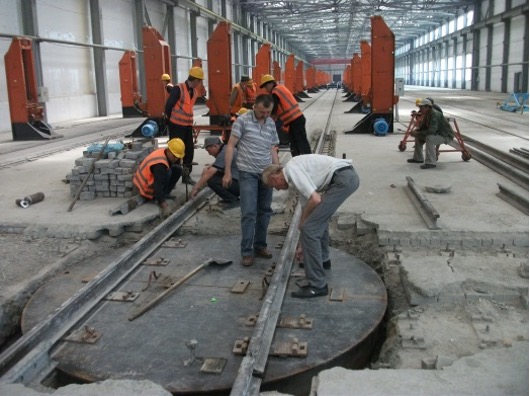
Рис. 1. Установка рельсов на поворотный круг
[Fig. 1. ............................................................................................................................................]
Примечание: Составлено на основе источника (…..).
Уравнения
Уравнения и формулы следует набирать в Mathtype и нумеровать последовательно арабскими цифрами в круглых скобках в правой части страницы.
 (1)
(1)
Оформление литературы и ссылок в тексте.
Список литературы: 15–20 источников, при этом не менее 30 % — зарубежные источники и/или источники из международных баз. Список литературы должна оформляться в формате APA. Рекомендуется 10 источников за последние 5–7 лет, включая Scopus/Web of Science. На все статьи журналов обязательно должны быть указаны DOI.
Ограничение самоцитирования: не более 20 % списка.
Ссылки в тексте.
Ссылки оформляются в формате автор–год:
[Проскуряков, 2021: 19–22]
[Проскуряков, 2021: 19–22; Яценко, 2026b: 20–25]
Если работ одного автора в одном году несколько:
[Яценко, 2025a], [Яценко, 2025b]
Если статья написана на русском или казахском языке, список литературы формируется на том же языке с обязательным добавлением англоязычной версии каждого источника. Если же статья на английском языке, список литературы указывается исключительно на английском языке, при этом все англоязычные источники сохраняются в исходном оригинальном варианте.
Если оригинал источника на казахском или русском языках то оформление по следующей форме: автор(ы) → (год) → транслитерированное название [перевод на английский в квадратных скобках] → источник/выходные данные (английские обозначения) → [in Russ.]/[in Kaz.].
Пример: Yatsenko, 2025 – Yatsenko, N.N. (2025) Formirovanie nagruzhennosti ramy gruzovogo avtomobilia ot vozdeistviia nerovnoi dorogi [Formation of truck frame load from uneven road]. — Avtomobil’naia promyshlennost’. — 2025. — № 11. — P. 22–28. [in Russ.]
Алгоритм приёма статьи.
Техническая проверка— до 1 месяца (первичный ответ редакции).
Проверка на плагиат и использование ИИ через com:
оригинальность ≥ 75 %
Similarity 1 ≤ 20 %
Similarity 2 ≤5 %
ИИ ≤50 %
При превышениях редакция действует по правилам COPE. При незначительных превышениях автору даётся возможность исправить и пройти повторную проверку.
Рукопись, прошедшая проверку, направляется на двойное слепое рецензирование (2 недели – 1 месяц).
По итогам рецензирования принимается решение: принять / доработать / отказать.
Доработанная статья должна быть возвращена в редакцию в течение 5 рабочих дней. При отсутствии обратной связи материал отклоняется и снимается с дальнейшего рассмотрения.
Политика использования ИИ.
Использование инструментов ИИ при подготовке рукописей допускается исключительно в качестве вспомогательных средств (языковая правка, поиск литературы, статистические расчёты, визуализация) под полным контролем автора. Факт использования ИИ должен быть раскрыт в рукописи (например, в «Методах») с указанием названия инструмента, версии и области применения. Статья не принимается к публикации, если показатель искусственного интеллекта превышает 50 %. ИИ не может быть указан в качестве автора. Ответственность за точность, оригинальность и целостность текста несут авторы.
Нераскрытие применения ИИ либо нарушения в части плагиата могут повлечь временные санкции в виде запрета на подачу материалов сроком на 1 год, включая отклонение рукописи.
Сроки выхода и подачи статей.
Журнал выходит 4 раз в год (1 раз в 3 месяца).
Номера размещаются на сайте к концу: марта, июня, сентября и декабря
Максимальный срок рассмотрения рукописи — 1–3 месяца.
Статьи, не соответствующие указанным требованиям, к публикации не принимаются.
Контакты
Тел: 8 (727) 376-74-78
Факс: 8 (727) 376-74-81
Электронный адрес: info@mtgu.edu.kz

This work is licensed under a Creative Commons Attribution-NonCommercial-NoDerivatives 4.0 International License.